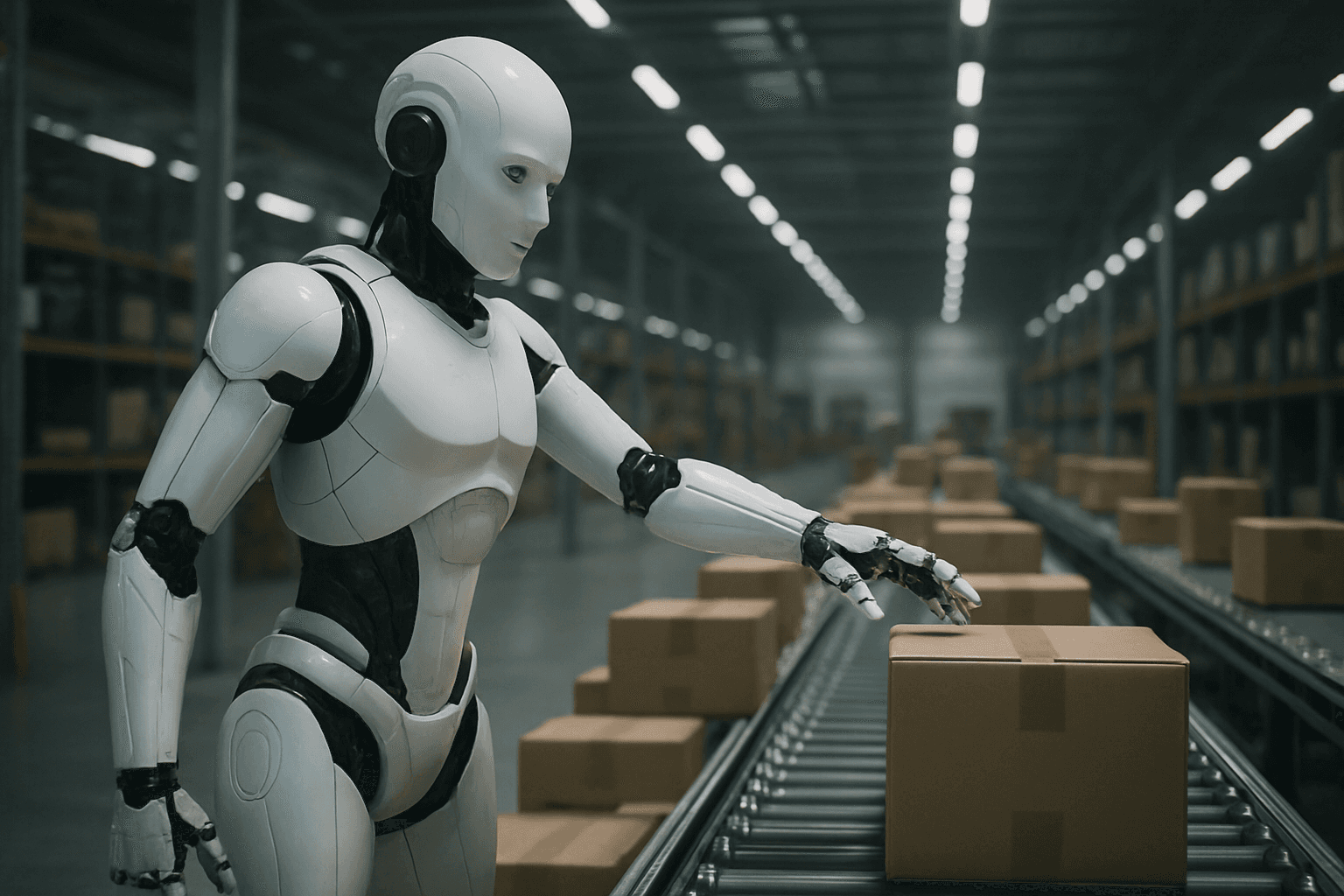
Figure AI Humanoid Robot Sorts 250,000 Packages at Near-Human Speed
Figure AI's humanoid robot completed 250,000 package sorts in a warehouse deployment, approaching human-level speed.
What Happened
Figure AI's humanoid robot has completed the sorting of 250,000 packages in a warehouse environment, operating at speeds described as near-human, according to reports published this week. The deployment marks one of the largest documented real-world operational runs for a commercially developed humanoid robot in a logistics setting.
Background
Figure AI is a California-based robotics company that has focused on developing general-purpose humanoid robots designed to perform physical labor tasks in industrial and commercial environments. The company has previously announced funding rounds and partnerships aimed at accelerating deployment of its robots into warehouse and manufacturing settings, positioning itself among a small number of firms, including Boston Dynamics and Agility Robotics, competing in the emerging humanoid robot market.
The logistics and warehousing industry has been a primary target for robotics companies due to the high volume of repetitive physical tasks, persistent labor shortages in fulfillment centers, and growing demand driven by e-commerce. Prior generations of warehouse robots have typically been purpose-built for specific tasks such as pallet movement or shelf retrieval, relying on fixed tracks or guided systems. Humanoid robots capable of handling variable package shapes and sizes in unstructured environments represent a more recent and technically demanding category of automation.
What the Deployment Involved
The 250,000-package milestone refers to sorting operations carried out by Figure AI's humanoid robot system in what the company has described as a major benchmark for warehouse automation. The robot performed package handling tasks at speeds approaching those of human workers, according to the report. The specifics of the facility location, the duration of the deployment, and the name of any commercial partner involved in the pilot were not fully detailed in available wire reports at the time of publication.
Package sorting in warehouse environments requires a robot to identify, grasp, orient, and route individual packages, often of varying dimensions and weights, across conveyor systems or sorting grids. Achieving near-human throughput in this context involves both manipulation speed and the ability to handle variability without stoppages, which has historically been a challenge for robotic systems.
Scale and Significance of the Numbers
The 250,000-package figure represents a cumulative operational count rather than a single-session result, based on available reporting. For context, large-scale fulfillment centers operated by companies such as Amazon or UPS can process millions of packages per day across multiple facilities and human workforces. A single humanoid robot unit reaching a quarter-million package sorts nonetheless constitutes a data point that robotics developers and logistics operators are likely to reference when evaluating readiness for broader commercial deployment.
The phrase "near-human speed" has not been quantified in packages-per-hour terms in the available reports. Figure AI had not issued a standalone press release with specific throughput metrics at the time this article was prepared.
Industry Context
Investment in humanoid robotics has accelerated significantly in recent years. Companies including Tesla, with its Optimus project, and 1X Technologies have announced parallel development programs targeting industrial labor applications. The humanoid form factor is considered advantageous for environments built around human dimensions and workflows, reducing the need to redesign physical infrastructure to accommodate robots.
Warehouse automation more broadly has drawn increasing capital as logistics operators seek to offset rising labor costs and address workforce availability constraints. RFID-based sorting systems and conventional robotic arms have already achieved high accuracy rates in controlled garment and parcel sorting environments, as demonstrated in separate pilot programs reported this week.
What Happens Next
Figure AI has not publicly confirmed a timeline for scaling the deployment beyond the current pilot phase, and details of any commercial contracts or expanded facility rollouts are expected to be announced by the company in subsequent communications.
Get our editors' take on what it all means. Read the Editor's Blog →