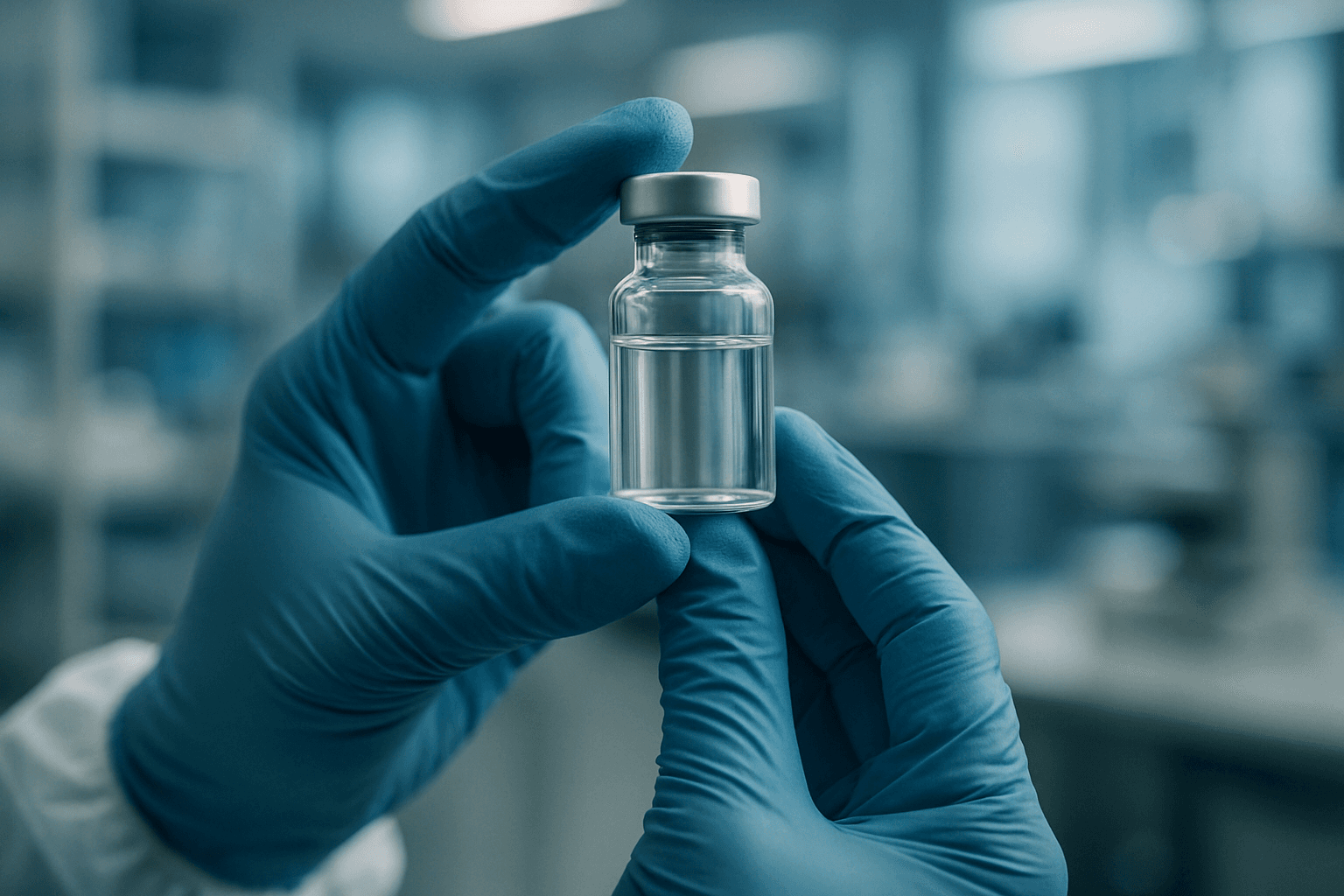
AI-Designed Vaccine Enters Human Trials in Pandemic Preparedness Push
The world's first AI-designed vaccine has been tested in 39 human volunteers, marking a milestone in pandemic preparedness research.
What Happened
The world's first vaccine designed by artificial intelligence has entered early-stage human trials, with 39 volunteers enrolled to assess the safety and immunogenic profile of the AI-generated candidate. The trial represents the first time a vaccine developed without conventional human-led molecular design has reached the stage of human testing.
What the Trial Involves
The Phase 1 trial is primarily a safety study, designed to determine whether the AI-designed vaccine produces an acceptable tolerability profile in human subjects and to identify an appropriate dosing range. The 39 participants enrolled in the trial represent a standard early-stage cohort size for initial human safety assessments. Researchers are also evaluating whether the vaccine triggers the intended immune response, a secondary measurement common in early-phase trials.
The wire report does not identify the specific pathogen target of the vaccine, the institution conducting the trial, or the geographic location of the study. The trial was described in connection with its implications for pandemic preparedness, a field that gained renewed urgency following the COVID-19 pandemic.
How AI Was Used in Development
Conventional vaccine development relies on teams of researchers to identify antigen targets, model protein structures, and iteratively test molecular candidates over periods that can span years. In this case, an AI system performed the core design work, generating the molecular architecture of the vaccine candidate. The wire report does not specify which AI platform or algorithm was used in the design process, nor does it name the sponsoring organisation or pharmaceutical developer.
AI-assisted drug and vaccine discovery has been an active area of research across multiple institutions in recent years. Tools using machine learning to predict protein folding and antigen-antibody interactions have accelerated preclinical discovery timelines in several programmes, though no AI-designed vaccine had previously advanced to human testing as of the date of this report.
Background
The development of vaccines through computational and AI-assisted means has been a stated priority for several governments and international health bodies since the COVID-19 pandemic underscored the gap between pathogen emergence and vaccine availability. Traditional vaccine development timelines, from candidate identification to regulatory approval, have historically ranged from several years to more than a decade, though the emergency authorisation pathways used during the COVID-19 pandemic demonstrated that compressed timelines are achievable under specific conditions.
The Coalition for Epidemic Preparedness Innovations and similar bodies have funded research into platform technologies intended to reduce the time from pathogen identification to deployable vaccine. AI-assisted design is one of several platform approaches under active investigation, alongside mRNA technology and recombinant protein platforms.
What the Numbers Say
The trial cohort of 39 volunteers is consistent with standard Phase 1 trial sizing, which typically ranges from 20 to 100 participants. Phase 1 trials are not designed to assess efficacy against a target pathogen; that determination is made in later-stage Phase 2 and Phase 3 trials involving larger populations. No efficacy data, interim safety results, or adverse event rates were reported in the wire report at the time of publication.
What Happens Next
Results from the early-stage human safety trial are expected to determine whether the AI-designed vaccine candidate advances to larger Phase 2 studies, which would assess immune response in a broader population and move the programme closer to efficacy evaluation.
Get our editors' take on what it all means. Read the Editor's Blog →