Cambridge Researchers Use AI to Design Universal Vaccine Super-Antigen
University of Cambridge scientists used AI to design a novel super-antigen intended to work across multiple virus variants.
What Happened
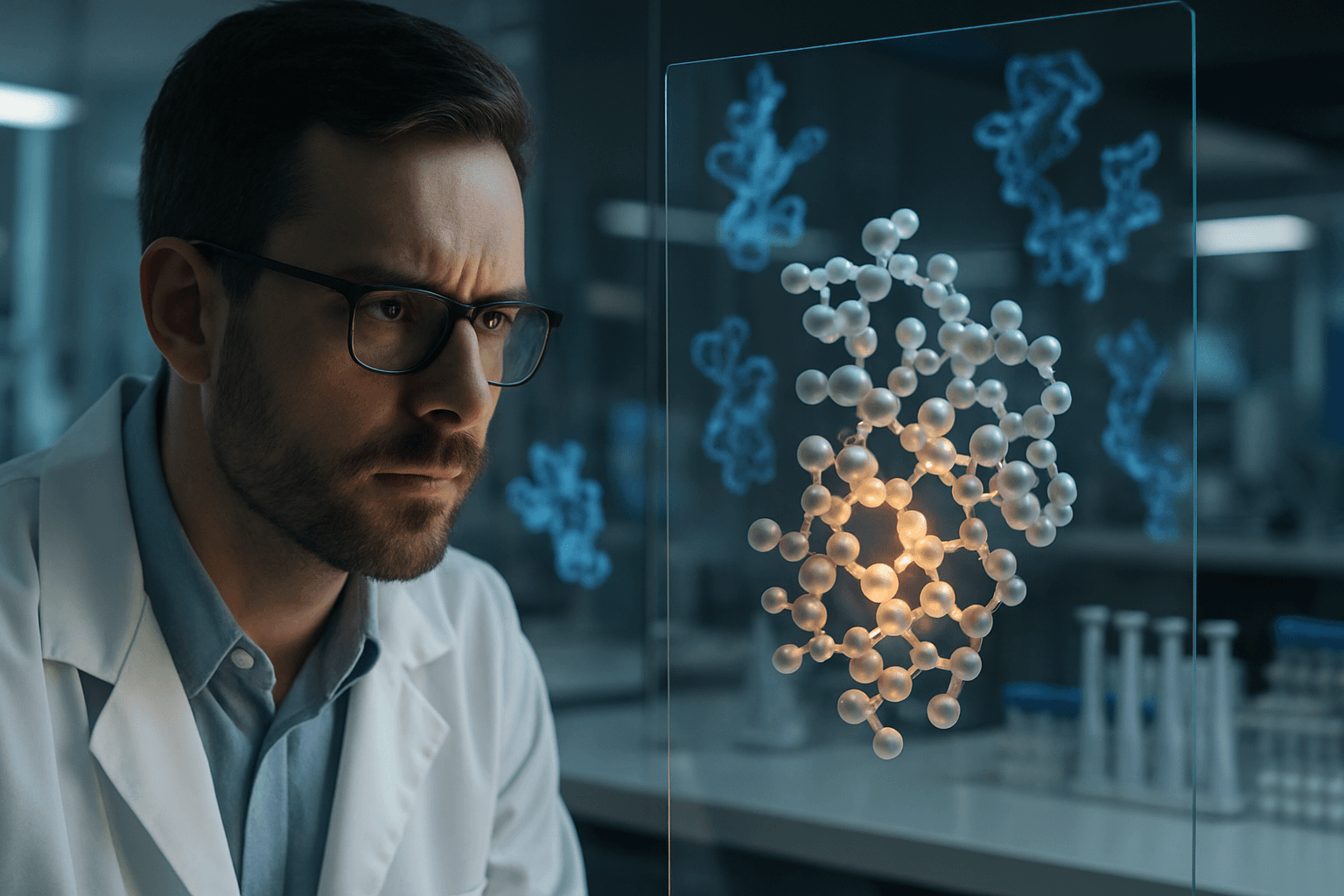
Researchers at the University of Cambridge, working in collaboration with biotechnology company DIOSynVax, have used artificial intelligence to design a novel super-antigen intended to form the basis of a universal vaccine. The work represents an application of AI-driven protein design to one of vaccinology's longest-standing challenges: creating a single immunogen capable of providing broad protection across multiple strains or variants of a pathogen.
Background
Traditional vaccine development targets specific proteins on the surface of a known pathogen strain. When viruses mutate, that specificity can reduce or eliminate vaccine effectiveness, requiring reformulation. The pursuit of universal vaccines, which would remain effective across a wide range of variants, has been a research priority for decades, particularly following the COVID-19 pandemic and recurring influenza seasons that outpace annual vaccine updates.
DIOSynVax is a Cambridge-based biotechnology company that has previously focused on applying computational and structural biology tools to vaccine antigen design. The company has worked with academic partners to develop immunogens against coronaviruses and other pathogens. This collaboration with the University of Cambridge extends that research program into AI-assisted design methodology.
How the AI Was Applied
According to the wire report, researchers used artificial intelligence to design the super-antigen, a term referring to a molecule engineered to trigger a broad and potent immune response. The AI was applied to the design phase of antigen development, the stage at which researchers determine the structure and properties of the molecule that will be introduced to the immune system.
The use of AI in protein and antigen design has expanded significantly since the release of DeepMind's AlphaFold protein structure prediction tool in 2021 and subsequent generative models capable of proposing novel protein sequences. AI-assisted design allows researchers to computationally screen and optimize candidate structures before committing to laboratory synthesis, reducing the time and cost of early-stage development.
What the Super-Antigen Is Intended to Do
The super-antigen described in the Cambridge and DIOSynVax research is designed to present immune-stimulating features drawn from conserved regions of a pathogen, meaning parts of the virus that remain stable across variants. By targeting conserved regions rather than strain-specific surface proteins, the resulting immune response would theoretically remain effective even as the pathogen mutates in other areas.
This approach has been attempted through conventional methods for pathogens including influenza, HIV, and respiratory syncytial virus, with limited success to date. The Cambridge team's use of AI to design the antigen structure is intended to improve the precision of that targeting.
Scale and Stage of Research
The wire report does not specify the pathogen targeted in this research, the number of variants tested against the designed antigen, or the current stage of clinical development. It is not stated whether the super-antigen has entered animal trials or human trials, or whether regulatory submissions have been made in any jurisdiction.
DIOSynVax has previously conducted early-stage clinical work on AI-informed vaccine candidates, but the current report does not confirm that this specific super-antigen has reached that stage.
What It Means in Practice
If validated in subsequent trials, AI-designed universal vaccine antigens could reduce dependence on annual or reactive vaccine reformulation campaigns. Public health agencies and pharmaceutical manufacturers currently invest significant resources each year in updating vaccines against rapidly mutating pathogens, a process that carries both financial costs and lag-time risks when new variants emerge faster than updated products can be distributed.
The research also adds to a growing body of work demonstrating AI's application not only in drug discovery screening but in the upstream structural design of biological molecules intended for human use.
The University of Cambridge and DIOSynVax are expected to publish further details on the research, with subsequent steps including peer review, preclinical validation, and potential regulatory engagement depending on the development stage of the super-antigen candidate.
Get our editors' take on what it all means. Read the Editor's Blog →