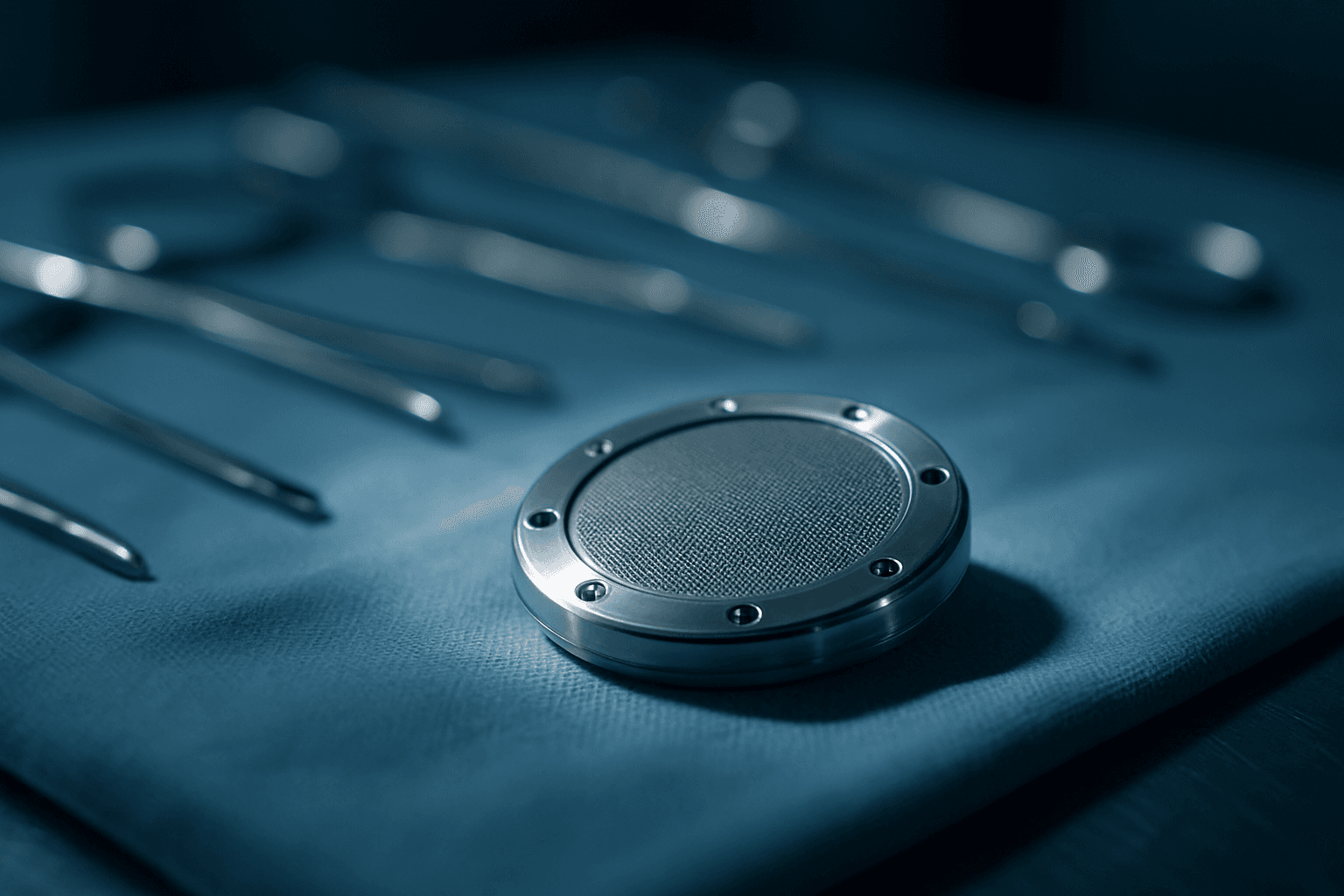
China Approves Coin-Sized Brain Chip for Commercial Medical Use
China has granted commercial approval for a coin-sized brain-computer interface chip to treat paralysis from spinal cord injuries.
What Happened
China has approved a coin-sized brain-computer interface device called NEO for commercial medical use in patients with paralysis caused by spinal cord injuries. The approval marks the first time China has cleared a brain chip of this type for commercial deployment, moving the technology beyond clinical trial status into regulated medical practice.
Background
Brain-computer interface technology has been an active area of development globally, with researchers and companies working to create implantable devices that translate neural signals into commands for external systems or prosthetics. The goal in medical applications is to restore communication and motor function to patients who have lost movement due to spinal cord damage, stroke, or neurodegenerative conditions.
In the United States, Neuralink, the company founded by Elon Musk, received regulatory clearance from the Food and Drug Administration in 2023 to begin human clinical trials for its own brain-computer interface implant. That device, also roughly coin-sized, has since been implanted in a small number of patients under trial conditions. Neuralink has not yet received full commercial approval in the United States.
China's NEO device, approved by Chinese regulatory authorities, targets patients with paralysis specifically linked to spinal cord injuries. The coin-sized form factor places it in the same general hardware category as competing international devices, though the underlying technology, electrode counts, signal processing architecture, and clinical data supporting the approval have not been fully detailed in available public disclosures.
What the Approval Covers
The Chinese regulatory approval clears NEO for commercial medical use rather than limiting it to research or compassionate-use contexts. Commercial clearance in medical device terms means the device can be sold and implanted as a standard-of-care treatment within the scope of its approved indication, subject to the medical and surgical protocols governing neurosurgical procedures in China.
The specific regulatory body that issued the approval, the full name of the manufacturer, the clinical trial dataset submitted in support of the application, and the precise scope of the approved patient population were not detailed in the available wire report. Those details are typically contained in the official product registration documents filed with China's National Medical Products Administration.
Broader Context
The approval arrives as multiple countries are actively developing regulatory frameworks for implantable neural devices, a category that did not exist in commercial form until recently. The devices raise questions across medical, ethical, and security domains, including data privacy for neural signals, long-term biocompatibility of implanted hardware, informed consent standards, and the potential for device hacking or unauthorized access to neural data.
China's move to grant commercial approval positions it alongside the United States and Europe as a jurisdiction actively engaging with brain-computer interface technology at the regulatory level, rather than leaving it confined to academic research. The commercial pathway is significant because it determines the scale at which a technology can be deployed within a healthcare system.
Spinal cord injury affects millions of people globally. According to the World Health Organization, between 250,000 and 500,000 people suffer spinal cord injuries each year worldwide, with the majority experiencing lasting loss of motor or sensory function. Devices that can partially restore motor function or communication capability represent a clinical priority in rehabilitation medicine.
What Happens Next
Full technical specifications, clinical outcome data, and the identity of the NEO device's manufacturer are expected to become available through China's official medical product registration database following the formal completion of the approval process.
Get our editors' take on what it all means. Read the Editor's Blog →