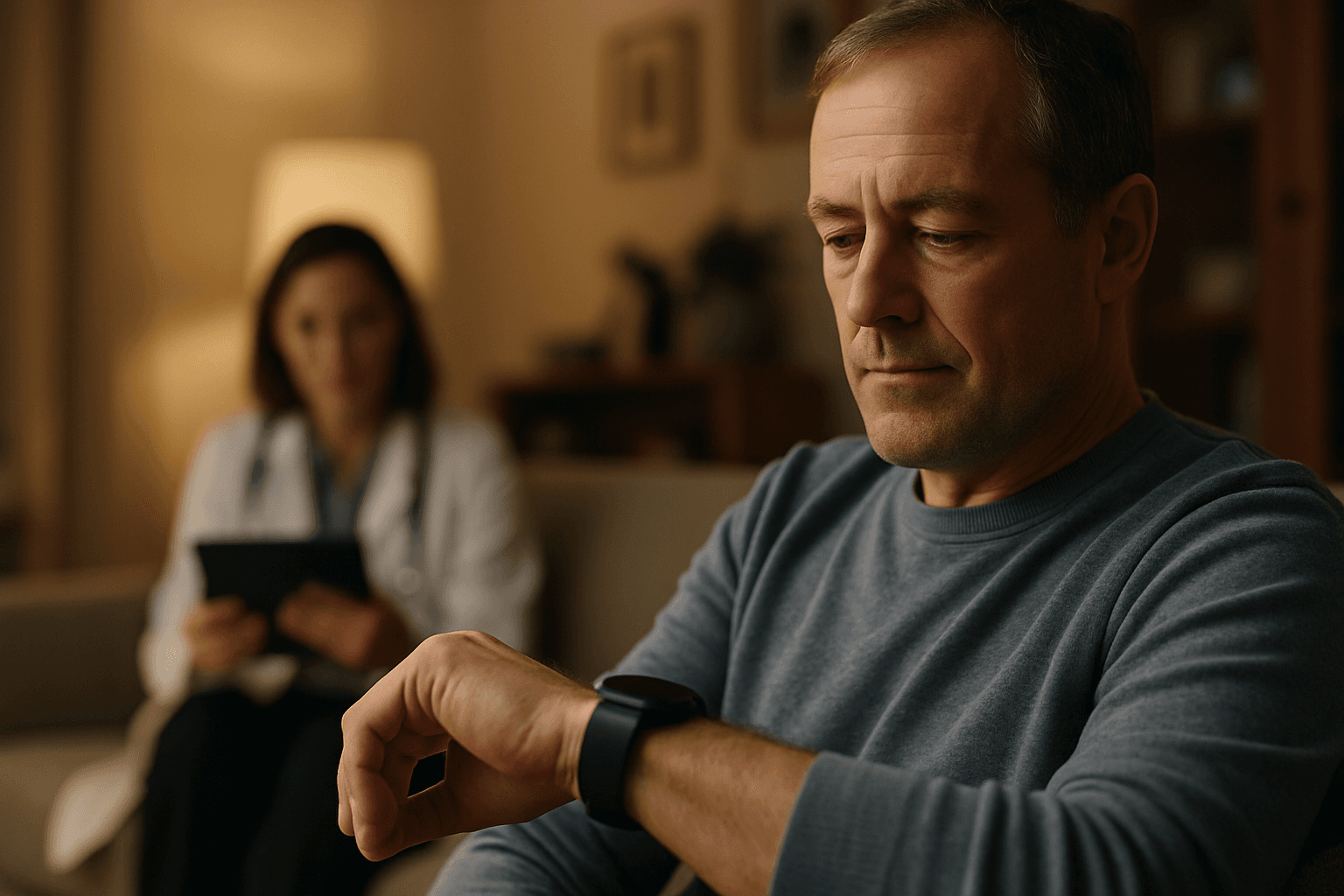
FDA Grants Breakthrough Designation to Coredio Heart Failure AI Platform
The FDA awarded Breakthrough Device Designation to Coredio's AI platform that monitors heart failure patients via consumer wearables outside hospitals.
What Happened
The U.S. Food and Drug Administration has granted Breakthrough Device Designation to Coredio's artificial intelligence platform for heart failure assessment, the Santa Clara-based company announced Wednesday. The designation applies to a system that uses consumer-grade wearable devices to give clinicians continuous cardiac monitoring data for heart failure patients in non-hospital settings.
Background
Breakthrough Device Designation is an FDA program intended to accelerate the development, assessment, and review of medical devices that provide more effective treatment or diagnosis of life-threatening or irreversibly debilitating diseases. Receipt of the designation means the FDA will provide the company with more intensive guidance during the development and review process, and the application is prioritised in the review queue. The designation does not constitute FDA approval of the device for commercial sale.
Heart failure affects an estimated 6.7 million adults in the United States, according to the Centers for Disease Control and Prevention. A significant clinical challenge in managing the condition is that patient deterioration frequently occurs between scheduled clinical visits, when monitoring is limited or absent. Traditional hospital-grade cardiac monitoring equipment is not designed for continuous home use, and standard consumer wearables have not historically been validated for clinical-grade heart failure assessment.
What the Platform Does
Coredio's platform is designed to bridge that gap by applying AI analysis to data collected from consumer wearable devices, translating signals captured outside the hospital into clinically actionable assessments for care teams. The company states the platform is intended to give clinicians visibility into patient status during the intervals between formal medical encounters.
The company has not publicly disclosed which consumer wearable devices are compatible with the platform, nor has it specified the exact physiological parameters the AI model analyses. Coredio has not published peer-reviewed clinical trial data in connection with this announcement.
Why the FDA Designation Matters
The Breakthrough Device Designation carries procedural significance for the regulatory pathway. Companies that receive it can request meetings with the FDA at key development milestones, receive written feedback on study protocols, and benefit from a prioritised review timeline once a formal premarket submission is filed. For investors and health system partners, the designation signals that the FDA has determined the device addresses an unmet medical need in a serious condition.
The designation also carries market signal weight in the digital health sector. A number of AI-driven remote monitoring companies have sought and received such designations in recent years as the broader remote patient monitoring market has expanded following shifts in care delivery during and after the COVID-19 pandemic.
Industry Context
Coredio's announcement arrives as the remote patient monitoring sector has drawn substantial investment and regulatory attention. Several competing platforms targeting chronic cardiac conditions, including atrial fibrillation and general heart rhythm monitoring, have already navigated FDA review processes. Heart failure-specific continuous monitoring using consumer wearables represents a narrower and more clinically complex target, given the range of indicators involved in assessing fluid status, cardiac output, and symptom progression.
The consumer wearables market, led by devices from Apple, Fitbit, and Samsung, has progressively added cardiac sensing capabilities including optical heart rate monitoring, electrocardiogram functionality, and blood oxygen estimation. AI platforms that aggregate and interpret these signals for specific disease management applications represent an active area of development across multiple companies.
What Happens Next
Coredio must complete its clinical development programme and submit a formal premarket approval or De Novo application to the FDA before the platform can be commercially marketed or deployed in clinical settings, with the timeline for that submission not yet disclosed by the company.
Get our editors' take on what it all means. Read the Editor's Blog →