Microsoft Unveils AI-Redesigned Quantum Chip, Targets 2029 Commercial Systems
Microsoft revealed a new quantum computing chip redesigned with AI assistance and set a 2029 target for commercially useful quantum systems.
What Happened
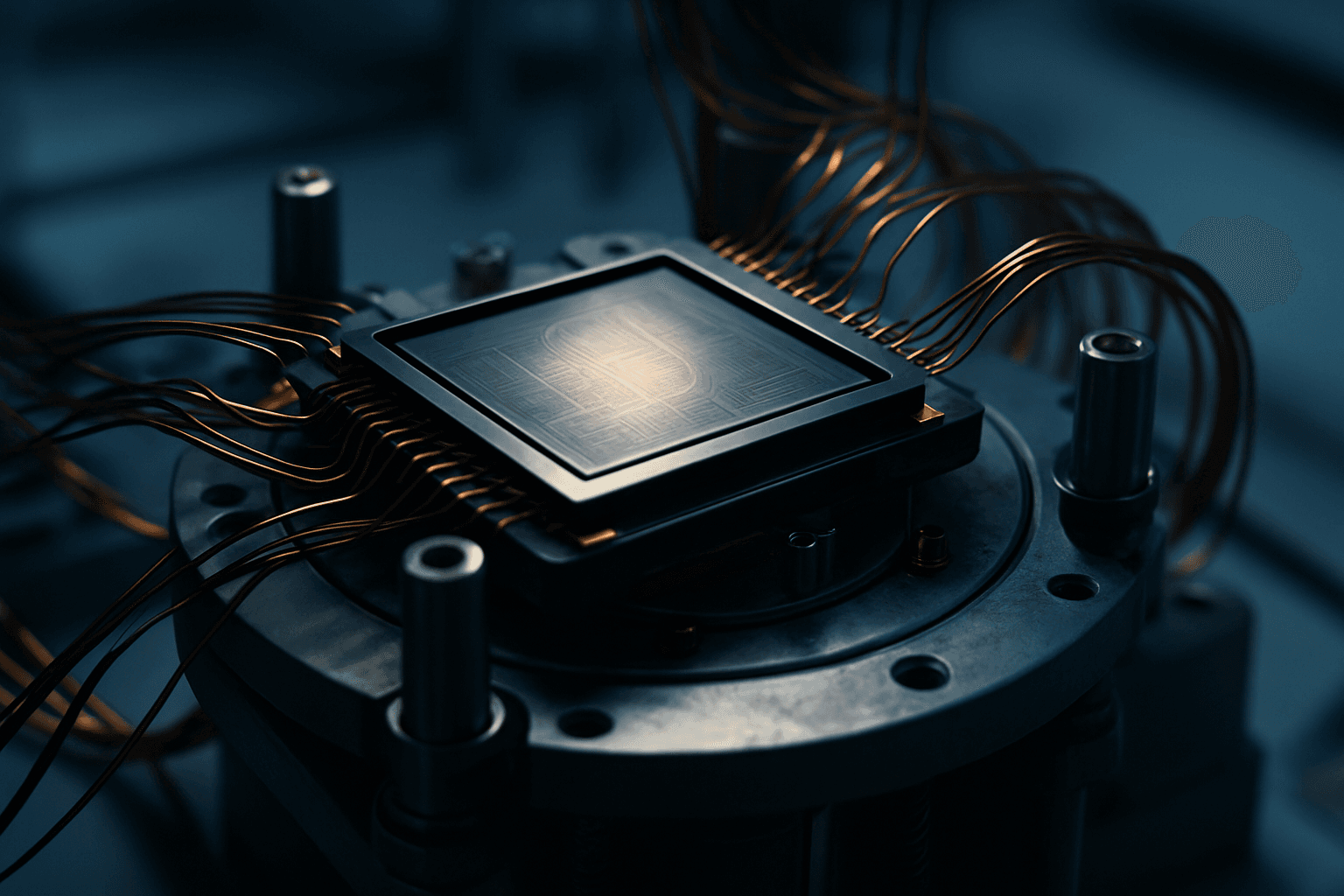
Microsoft on Tuesday unveiled a new quantum computing chip that the company redesigned with the assistance of artificial intelligence, and said it now expects to have commercially useful quantum computing systems available by 2029. The announcement marks a concrete timeline commitment from one of the world's largest technology companies in a field that has long been described as years away from practical application.
Background
Microsoft has pursued quantum computing research for more than a decade, investing heavily in a approach centered on topological qubits, which the company has argued will produce more stable and scalable systems than competing qubit architectures. In 2025, Microsoft announced its Majorana 1 chip, describing it as the first processor built on a topological core. Tuesday's announcement builds on that work, with the company disclosing that AI tools were used in the redesign process for the new chip.
The company competes in quantum hardware and software development alongside IBM, Google, and a number of smaller specialized firms. IBM has published its own multi-year quantum development roadmap, and Google claimed a quantum computing milestone in research published in late 2024. Microsoft has historically differentiated its approach by focusing on the long-term error-correction properties of topological qubits rather than near-term qubit counts.
The Role of AI in the Design Process
Microsoft said artificial intelligence was used in the redesign of the new chip, though the wire report available does not specify which AI systems were used or the precise scope of AI involvement in the engineering process. The use of AI tools in chip design has become more common across the semiconductor industry. Companies including Nvidia, Google, and various chip startups have reported using machine learning to accelerate aspects of chip architecture, layout, and verification work.
Microsoft's disclosure that AI contributed to the quantum chip's redesign is notable because quantum chip fabrication involves constraints and material science challenges distinct from classical semiconductor manufacturing, including the requirement to operate at temperatures near absolute zero.
The 2029 Commercial Target
Microsoft stated it believes it will have commercially useful quantum computing systems by 2029. The company did not define in the available wire report what threshold it is using for commercial utility, a term that has been defined differently by different organizations in the quantum computing field. IBM has used the phrase to mean systems capable of solving problems that classical computers cannot address within a practical timeframe.
The 2029 date represents a publicly stated commitment rather than a research aspiration, which distinguishes it from many prior quantum computing timelines offered by industry participants. Microsoft has not previously set a specific year for commercial quantum availability in its public communications at this level of specificity, according to available reporting.
Market and Industry Context
Quantum computing remains a significant area of corporate and government investment globally. Gulf states have directed portions of their recent AI infrastructure spending toward quantum research, according to reporting from Al-Monitor on Tuesday. The United States government has also funded quantum research through the National Quantum Initiative, and the Defense Advanced Research Projects Agency maintains active quantum computing programs.
Microsoft's quantum hardware efforts sit alongside its broader AI infrastructure investments, which include its multi-billion dollar partnership with OpenAI and its Azure cloud platform. The company has positioned quantum computing as a future layer of its enterprise computing offerings rather than a standalone product.
What Comes Next
Microsoft has indicated it is targeting 2029 for commercially useful quantum systems, with the newly redesigned chip representing a step in that development roadmap.
Get our editors' take on what it all means. Read the Editor's Blog →